The type of drain solution depends on the nature of the problem. French drains are commonly used in cases where surface or subsurface water trickles down over a wide area, whereas a yard drain is often used in cases where a single drain can be installed to allow an area to drain.



Graystone Tractor Services offers mini trenching services. Mini trenching is a perfect solution for many small jobs including new conduit installation for utility services, irrigation installations, french drain installations and yard drainage solutions.
Our trencher can handle difficult terrain
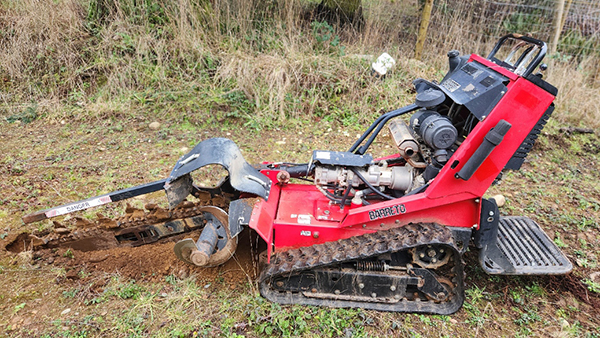
We use a Barreto 20RTK tracked trenching machine in our mini trenching jobs. This machine is very capable of navigating difficult terrain and it can trench a 4" wide trench up to 36" deep. This is perfect for installations of utility conduits, waterline connections, lawn irrigation installations, french drain installations and yard drainage solutions.

RCW 19.122 Washington State Dig law, which protects underground services requires
homeowners are required to spray paint a white line along the path of proposed trenching
and call 811 (call before you dig) or visit their website at
www.callbeforeyoudig.org
at least 2-3 days before the trenching service is scheduled. Any underground utilities will be marked by the utility company.

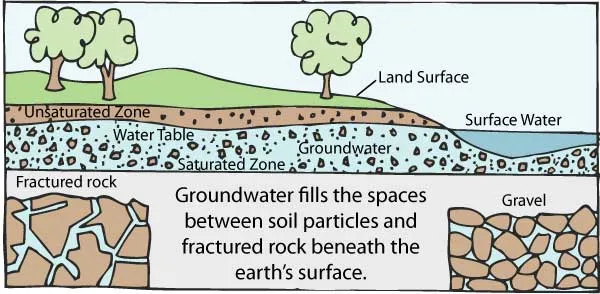
In the pacific Northwest, many homeowners are plagued with a section of their property that may have water problem, usually large amounts of water collecting in places where it is not wanted.
Surface water issues - Surface water is rainwater that collects on the surface. This is often due to problematic sloping of a section of your property or poorly draining soil, such as soils with heavy clay content. In some cases, problematic areas of your property can be re-sloped by moving soils from high areas to low areas or by bringing in new fill material to correct the slope, allowing surface water to gently run and percolate into the soil. In some cases, re-sloping isn't practical, such as house build at the bottom of a sloped hill. In such cases, it is necessary to collect the water and to discharge it to an appropriate location, such as a nearby slope, stormwater drain system or a swale. This is often done with a yard drain or French drain.
Subsurface water issues - Subsurface water is water beneath the soil. This can be due to an underground spring, saturated soil from heavy rains or uphill property and areas with high water tables such as communities located near sea level. The goal with subsurface water will be to intercept it and discharge it in an appropriate way, such a nearby slope. A French drain is a popular way to resolve subsurface water problems as it can be constructed in a wide length, allowing for a wide flow of water to be collected and diverted away from your problem area.
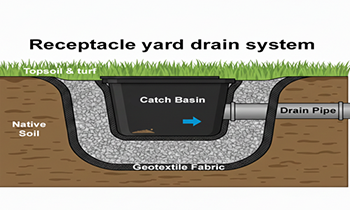
A receptacle yard drain system is used commonly in low areas of properties that tend to collect large amounts of water and where it is impractical to re-slope. A lightly sloped trench 12-18" deep is cut into the soil from the lowest point of the problem area to the area where it is safe to discharge it. An outdoor drain receptacle is installed and connected to a PVC or corrugated drain pipe and backfilled. Water in the problem area will drain off and gently flow to the discharge area.
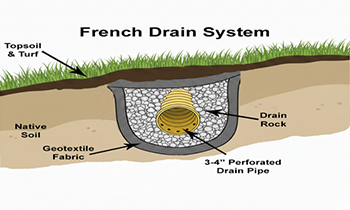
The French drain is named after its inventor, Henry French who designed it in the late 1800's to move waste water away from livestock areas. It is a simple design and has been greatly improved through the use of modern materials, including specialized corrugated drain pipes and specialized textiles to cover the drain pipe, allowing water to flow through while blocking soil, which would block the drain pipe. Construction of a French drain generally involves cutting a lightly sloped trench into the soil 12-18" deep, placing a special perforated corrugated drainage pipe, covered in a protective material or sleeve at the bottom, then covering the drain pipe with a thick course of larger size drain rock, then backfilling soil on top. Surface water percolates through the drain rock into the bottom of the trench, where it is collected through the perforations in the drain pipe and gently directed to the discharge area due to the light sloping of the trench. Typically, a 1-2% slope is all that is required to allow the French drain to function correctly.
Trench Drain - Trench drains are drains used to collect surface water over a wide area. They are used most commonly in commercial applications but the most common residential application is a trench drain installed at the front of garages. These are commonly made from rigid aluminum or stainless steel and are essentially narrow pans with a grate on top, allowing for surface water to be collected. Trench drains are commonly connected to the storm water system from the roof gutters for discharge.
Ditch - Ditches are a surface water collection method commonly located on the sides of the road and some residential driveways. They can vary in width and depth depending on the amount of surface water in the area. Some ditches are sloped to allow water to flow, while others are meant to collect runoff water and allow it to percolate into the soil naturally.
Swale - A swale is also a method of collecting surface water, mostly in areas where a broad amount of property requires adequate drainage. A swale is essentially a broad, narrow ditch, generally covered in vegetation or drain rock. Its purpose is to slow and control the flow of water to prevent flooding or erosion and also to avoid overwhelming the storm drain system. Some of the collected water will percolate into the soil, while at times of heavy surface water flow, it will fill up and allow excess water to trickle away at a more controlled rate.
Please reach out to us to talk about your trenching or drain project. We can be contacted via phone, text message
at (360) 542-6460 or email at graystonesolutionsllc@gmail.com.
We offer Washington State mini trenching and french drain installations in Arlington, Stanwood, Camano Island, Oak Harbor, Whidbey Island, Conway, Darrington, Granite Falls, Lake Stevens, Marysville, Everett, Snohomish, Monroe, Mount Vernon, Burlington, Bellingham, Ferndale and areas in-between in Island County, Skagit County and Snohomish County.
Frequently asked questions:
Our machine requires a minimum opening of 3 feet (36") in any fences or opening between buildings. Please remove any debris or objects in the path of travel prior to our arrival.
Our trencher will adequately work in most soil conditions. Trenching will be the most problematic in extremely sandy, very wet or areas with bedrock deposits.
Trenching speed is extremely variable depending on soil type, terrain and required depth of trench.